The Best Turmeric Curcumin
Supplements Of 2026
Which Tumeric Cucurmin Supplement Is Actually Worth the Hype?
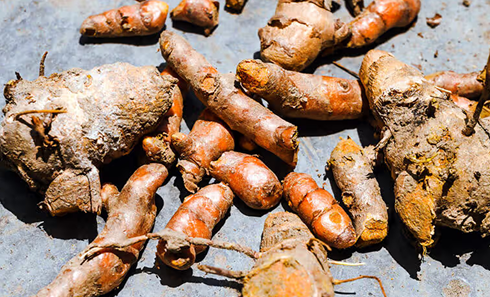
Turmeric Has Been Used for Centuries, But Is It Curcumin That Really Delivers the Benefits? Here’s What Science Says.


- theHealthSearch.com
Curcumin is Likely More Effective for Joint Pain and Inflammation Than Regular Turmeric Extracts.
- theHealthSearch.com

Turmeric supplements are everywhere—promising to fight inflammation, soothe joint pain, and support overall well-being. But what most people don’t realize is that turmeric itself isn’t the main driver of these benefits—it’s curcumin, the active compound inside it.
While turmeric has been associated with joint comfort and inflammation support, much of the evidence points to curcumin. Studies have linked it to improvements in joint pain, stiffness, mobility, and function. The question is whether enough is absorbed to be effective.
Poor absorption and low bioavailability is the main issue with turmeric/curcumin supplements. Curcumin, the active compound in turmeric, has been shown to support inflammation and joint comfort—but on its own, it’s not easily absorbed.
In fact, a large portion of standard curcumin can pass through the body unused, limiting its actual real-world effectiveness. To address this, modern formulations focus on improving how curcumin is delivered. Ingredients like piperine (from black pepper) and advanced delivery systems can significantly enhance absorption, helping more curcumin reach the bloodstream where it can be utilized. This shift toward improved bioavailability has become a critical factor in determining which formulations actually deliver meaningful results.
The research is clear—curcumin can support inflammation and joint health, but its effectiveness depends heavily on absorption. On its own, much of it isn’t well utilized by the body.

One of the most cited human studies found that adding piperine (black pepper extract) increased curcumin absorption by up to 2,000%, helping more of it stay active in the bloodstream for longer. This is why many formulations will include piperine and/or similar delivery enhancers. Without improving absorption, even large doses of curcumin may not be effective. With it, the same ingredient becomes far more effective in real-world use. Recent studies are now showing that combining curcumin with other botanicals can enhance anti-inflammatory effects than using it on its own.
Additionally, some of the most exciting curcumin research is now focused on ingredient combinations rather than curcumin alone. Emerging studies suggest that pairing curcumin with complementary botanicals may support multiple pathways involved in joint health, mobility, and recovery.
One of the most well-established combinations is curcumin with Boswellia serrata. A 2022 review found that pairing these two ingredients led to greater reductions in inflammation, improved joint function, and less reliance on conventional pain relief compared to either one alone . In simple terms, curcumin and boswellia work on different inflammatory pathways, which makes their combined effect more complete and more effective.
Ginger builds on this by strengthening the body’s antioxidant response. In a 2023 randomized, triple-blind clinical trial, curcumin combined with ginger produced greater reductions in inflammation markers and significantly higher antioxidant activity than either ingredient alone. While curcumin helps regulate inflammatory signals, ginger enhances the body’s ability to manage oxidative stress—making the pairing more balanced and effective.
Ashwagandha adds another layer—targeting stress and recovery, not just inflammation directly. In a 2024 clinical study (Mishra et al.), combining curcumin with ashwagandha significantly improved quality of life, reduced pain and fatigue, and supported better sleep. Since chronic stress is closely tied to inflammation, this pairing helps address a key underlying driver of joint discomfort—making curcumin’s effects more consistent and more noticeable in real-world use.
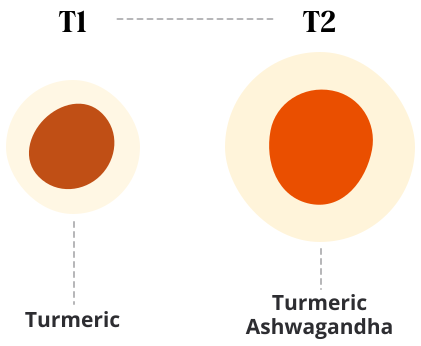
Synergy can even be seen in early lab research.
In a 2024 study, turmeric and ashwagandha worked better together than on their own, showing a stronger combined effect. While this isn’t real-world use, it helps illustrate how these ingredients can complement each other.
What if you combined the synergistic benefits of rooted botanicals with a more advanced form of curcumin? If absorption is the foundation, and complementary ingredients build on top of it, then combining both becomes the natural next step.
That’s the direction many of the newer formulations are moving towards. By improving how curcumin is delivered while also pairing it with supportive compounds, they aim to create a more consistent and well-rounded effect. In our next article our testing team did an independent review
Turmeric supplements are everywhere—promising to fight inflammation, soothe joint pain, and support overall well-being. But what most people don’t realize is that turmeric itself isn’t the main driver of these benefits—it’s curcumin, the active compound inside it.
While turmeric has been associated with joint comfort and inflammation support, much of the evidence points to curcumin. Studies have linked it to improvements in joint pain, stiffness, mobility, and function. The question is whether enough is absorbed to be effective.
Poor absorption and low bioavailability is the main issue with turmeric/curcumin supplements. Curcumin, the active compound in turmeric, has been shown to support inflammation and joint comfort—but on its own, it’s not easily absorbed. In fact, a large portion of standard curcumin can pass through the body unused, limiting its actual real-world effectiveness.
To address this, modern formulations focus on improving how curcumin is delivered. Ingredients like piperine (from black pepper) and advanced delivery systems can significantly enhance absorption, helping more curcumin reach the bloodstream where it can be utilized. This shift toward improved bioavailability has become a critical factor in determining which formulations actually deliver meaningful results.
The research is clear—curcumin can support inflammation and joint health, but its effectiveness depends heavily on absorption. On its own, much of it isn’t well utilized by the body. One of the most cited human studies found that adding piperine (black pepper extract) increased curcumin absorption by up to 2,000%, helping more of it stay active in the bloodstream for longer.
This is why many formulations will include piperine and/or similar delivery enhancers. Without improving absorption, even large doses of curcumin may not be effective. With it, the same ingredient becomes far more effective in real-world use. Recent studies are now showing that combining curcumin with other botanicals can enhance anti-inflammatory effects than using it on its own.
Additionally, some of the most exciting curcumin research is now focused on ingredient combinations rather than curcumin alone. Emerging studies suggest that pairing curcumin with complementary botanicals may support multiple pathways involved in joint health, mobility, and recovery.

One of the most well-established combinations is curcumin with Boswellia serrata. A 2022 review found that pairing these two ingredients led to greater reductions in inflammation, improved joint function, and less reliance on conventional pain relief compared to either one alone . In simple terms, curcumin and boswellia work on different inflammatory pathways, which makes their combined effect more complete and more effective.
Ginger builds on this by strengthening the body’s antioxidant response. In a 2023 randomized, triple-blind clinical trial, curcumin combined with ginger produced greater reductions in inflammation markers and significantly higher antioxidant activity than either ingredient alone . While curcumin helps regulate inflammatory signals, ginger enhances the body’s ability to manage oxidative stress—making the pairing more balanced and effective.
Ashwagandha adds another layer—targeting stress and recovery, not just inflammation directly. In a 2024 clinical study (Mishra et al.), combining curcumin with ashwagandha significantly improved quality of life, reduced pain and fatigue, and supported better sleep. Since chronic stress is closely tied to inflammation, this pairing helps address a key underlying driver of joint discomfort—making curcumin’s effects more consistent and more noticeable in real-world use.
Synergy can even be seen in early lab research. In a 2024 study, turmeric and ashwagandha worked better together than on their own, showing a stronger combined effect. While this isn’t real-world use, it helps illustrate how these ingredients can complement each other.
What if you combined the synergistic benefits of rooted botanicals with a more advanced form of curcumin? If absorption is the foundation, and complementary ingredients build on top of it, then combining both becomes the natural next step.
That’s the direction many of the newer formulations are moving towards. By improving how curcumin is delivered while also pairing it with supportive compounds, they aim to create a more consistent and well-rounded effect. In our next article our testing team did an independent review

Which Tumeric Cucurmin Supplement Is Actually Worth the Hype?

Understand the gut bacteria’s role in our ...

Explore studies linking gut bacteria to ...


