Yoga or Pilates:
Best Path to Mobility
Explore the benefits of yoga and Pilates for strength, posture, and flexibility. Find out which practice suits your needs.
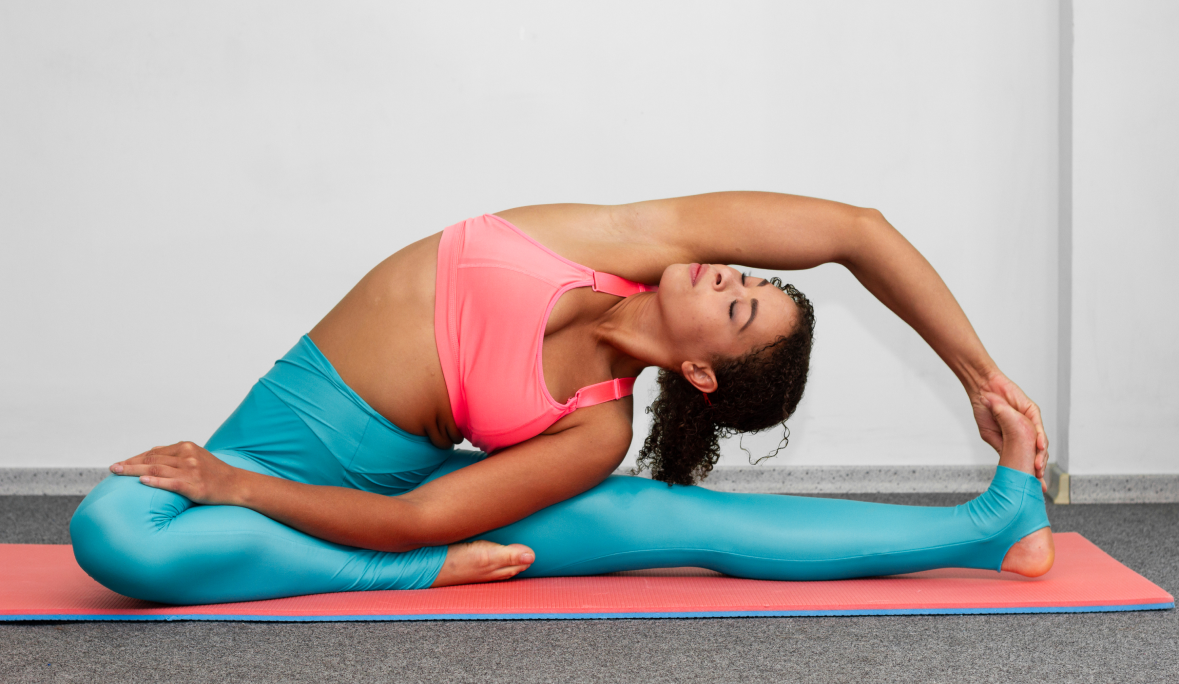
Learn how mobility strengthens movement, while stretching keeps your muscles loose and flexible. Discover which approach best suits your fitness goals.


- theHealthSearch.com
Mobility Training w/ Resistance Work Improves Joint Control and Stability Better Than Stretching Alone.
- theHealthSearch.com

Maintaining flexibility and mobility in joints is important, whether you’re an athlete, a gym enthusiast, or want to stay active as you age. Yet, many people confuse mobility training with stretching. While both improve movement quality, they serve different purposes. Mobility focuses on control through range of motion, while stretching focuses on lengthening muscles and connective tissues.
Research shows that each method affects performance, recovery, and long-term joint health in unique ways (Esteban-García et al., 2024; Çetin et al., 2020). This article breaks down how mobility and stretching actually work, why they matter, and the smartest way to fit them into your routine.
Mobility training moves joints through slow, controlled ranges of motion while muscles remain actively engaged. Exercises such as leg swings, hip circles, and deep bodyweight squats build usable strength, stability, and coordination alongside flexibility. Unlike static stretching, mobility training combines movement with muscular control, helping joints adapt to real-life demands rather than passive positions (Esteban-García et al., 2024). Research shows that mobility-focused warm-ups improve physical performance by enhancing sprint speed, jump height, and strength output compared with static stretching alone.
Mobility drills simultaneously activate muscles and expand range of motion, priming the nervous system for movement and lowering the likelihood of strains or joint stress during physical activity. As a result, mobility training is especially effective before exercise or sport. Stretching, by contrast, emphasizes relaxation and lengthening of muscle tissue.

Food choices in the evening can either support or interfere with these processes. Certain foods naturally contain sleep-promoting compounds that help signal relaxation and nighttime readiness. Tart cherries and bananas, for example, provide natural sources of melatonin, which may help the body transition more smoothly into sleep (Binks et al., 2020). Other sleep-supportive foods contribute indirectly by stabilizing blood sugar and reducing nighttime arousals. Foods rich in magnesium and tryptophan, such as nuts, seeds, and dairy, can further promote muscle relaxation and support the production of calming neurotransmitters.
Static stretching holding positions for 20 to 60 seconds helps reduce tension and improve long-term flexibility, especially when used after exercise or prolonged sitting. Dynamic stretching overlaps with mobility by using controlled movement, while PNF stretching employs contract–relax techniques to achieve short-term flexibility gains, often used by athletes.
Choosing between mobility and stretching depends on timing and goals. Mobility training and dynamic stretching are best suited for warm-ups and joint preparation, while static stretching supports recovery and relaxation. For long-term joint health, research suggests combining both approaches using mobility to build strength and stretching to maintain tissue adaptability (Chan et al., 2012).
Jumping into deep static stretches without a warm-up can increase stiffness or risk small strains. Light movement first makes stretching safer and more effective.
Excess flexibility without control makes joints unstable. Mobility ensures strength supports your range of motion.
Only stretching or mobility training leaves gaps. Athletes who neglect stretching often face tightness, while those who ignore mobility may struggle with controlled movement under load.
Research shows holding static stretches longer than 60 seconds before high-intensity activity may reduce power output. (Esteban-García et al., 2024)
Mobility and stretching serve different purposes, but they work best when used together. Mobility training builds strength, control, and coordination through active movement, helping the body handle real-world demands with greater stability. Stretching, in contrast, focuses on easing muscular tension and maintaining range of motion, supporting recovery and long-term tissue health.
When combined, these approaches create a more resilient movement system. Mobility prepares joints and muscles for action, while stretching helps them recover and adapt. This balance supports smoother movement patterns, reduces compensatory strain, and makes flexibility more usable rather than passive.
Research suggests that targeted mobility work, particularly for the hips, may significantly reduce lower-back strain in active adults by as much as 30% in some studies. Over time, integrating both mobility and stretching into regular routines can help preserve comfortable movement and lower the risk of chronic pain.

Explore the benefits of yoga and Pilates for strength, posture, and flexibility. Find out which practice suits your needs.


