Fermented Foods vs. Probiotic:
Which is Better?
Compare the efficacy of probiotic-rich foods vs. supplements. Find out which option is best for your gut health goals.
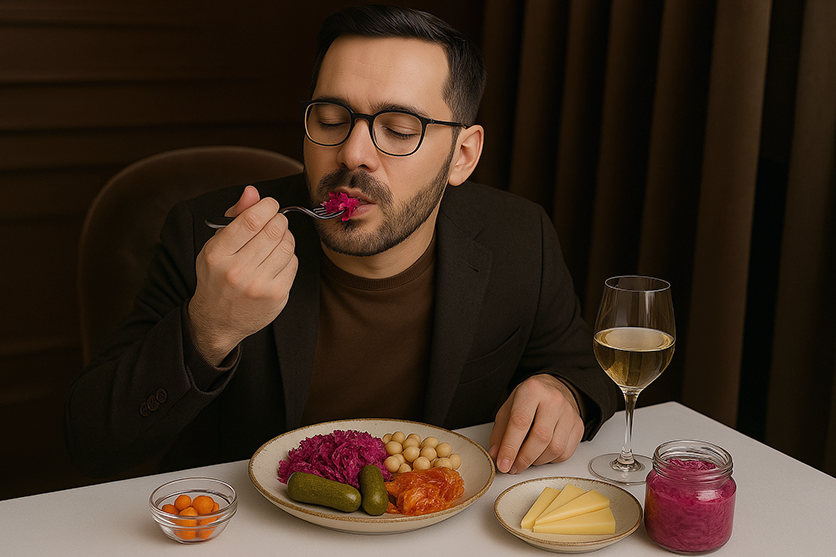
Uncover what could be behind persistent bloating, from SIBO to food intolerances. Learn how to identify and address the root cause.


- theHealthSearch.com
Hidden Digestive Issues and Food Triggers May Be Causing Persistent Bloating After Meals Daily.
- theHealthSearch.com

Bloating after meals is a common complaint, but it’s often a sign of an underlying issue like SIBO (small intestinal bacterial overgrowth), food intolerances, or poor digestion. A 2020 NIH study found that bloating is one of the most frequent symptoms of gut dysfunction, affecting up to 30% of adults (NIH, 2020).
This article will explore the hidden causes of bloating, how to identify them, and the best ways to find relief.
Bloating occurs when gas builds up in your digestive system, often due to poor digestion, imbalanced gut bacteria, or food intolerances. A 2019 NIH study found that SIBO, a condition where bacteria overgrow in the small intestine, is a leading cause of chronic bloating (NIH, 2019).
Here’s how gut health impacts bloating:

SIBO:Bacterial overgrowth in the small intestine, leading to gas and bloating.
Food Intolerances:Sensitivities to lactose, gluten, or FODMAPs can trigger bloating.
Poor Digestion:Low stomach acid or enzyme levels can cause undigested food to ferment.
Gut Dysbiosis:Imbalanced gut bacteria can produce excess gas and inflammation.
In addition to identifying the root cause, specific supplements and treatments can help reduce bloating. For example, digestive enzymes can improve food breakdown, while probiotics can restore gut bacteria balance. A 2021 NIH study found that peppermint oil can relax the digestive tract and reduce bloating (NIH, 2021).
Here are some additional options to consider:
Beyond supplements, lifestyle habits like mindful eating and stress management can help prevent bloating. A 2018 NIH study found that eating too quickly or under stress can worsen bloating (NIH, 2018).
Here are some tips to reduce bloating:
Bloating after meals is often a sign of an underlying issue like SIBO, food intolerances, or poor digestion. By identifying the root cause and incorporating solutions like digestive enzymes, probiotics, and a low-FODMAP diet, you can find relief from bloating.
If you’re struggling with persistent bloating, addressing gut health is a crucial step. A healthy gut not only supports digestion but also helps you feel more comfortable after meals. For more tips on improving gut health, check out our article on Leaky Gut Repair: Science-Backed Solutions.

Compare the efficacy of probiotic-rich foods vs. supplements. Find out which option is best for your gut health goals.


