Artificial Sweeteners: Impact On Gut
Explain the impact of artificial sweeteners on gut microbiota and metabolism. Learn how to make smarter sweetener choices.
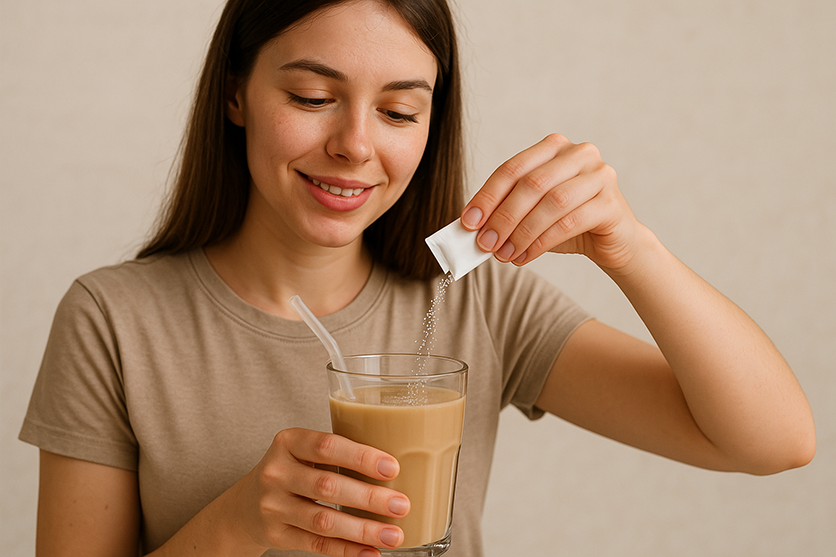
Break down the distinct roles of probiotics and prebiotics in gut health. Discover which one is essential for your digestive system.



- theHealthSearch.com
Probiotics & Prebiotics Support Gut Balance, Helping Improve Digestion and Overall Microbiome Health.
- theHealthSearch.com

Probiotics and prebiotics are two of the most talked-about gut health buzzwords, but what’s the difference, and which one do you really need? Probiotics are live bacteria that support your gut microbiome, while prebiotics are fibers that feed the good bacteria already in your gut. A 2020 NIH study found that both play essential roles in maintaining a healthy digestive system, but they work in different ways (NIH, 2020).
This article will explore the benefits of probiotics and prebiotics, how they work together, and which one might be more important for your gut health.
Probiotics are live microorganisms that provide health benefits when consumed in adequate amounts. They help restore the balance of your gut microbiome, especially after disruptions like antibiotics or illness. A 2019 NIH study found that probiotics can improve digestion, reduce inflammation, and even boost immunity (NIH, 2019). Here’s how probiotics benefit your gut:

Prebiotics are non-digestible fibers that act as food for the good bacteria in your gut. They help these bacteria thrive, producing short-chain fatty acids (SCFAs) that reduce inflammation and support gut health. A 2021 NIH study found that prebiotics can improve gut barrier function and reduce the risk of leaky gut (NIH, 2021).
Here’s how prebiotics benefit your gut:
Yogurt provides probiotics, while bananas offer prebiotic fibers.
Kefir is rich in probiotics, and oats are a great source of prebiotic fiber.
Sauerkraut contains probiotics, and garlic is a potent prebiotic.
Both probiotics and prebiotics are essential for gut health, but your needs may vary depending on your digestive system. If you’ve recently taken antibiotics or have digestive issues like bloating or irregularity, probiotics may be more beneficial. On the other hand, if you’re looking to support the good bacteria already in your gut, prebiotics are key.
A 2018 NIH study found that combining probiotics and prebiotics (known as synbiotics) can enhance their benefits, promoting a healthier and more diverse gut microbiome (NIH, 2018).
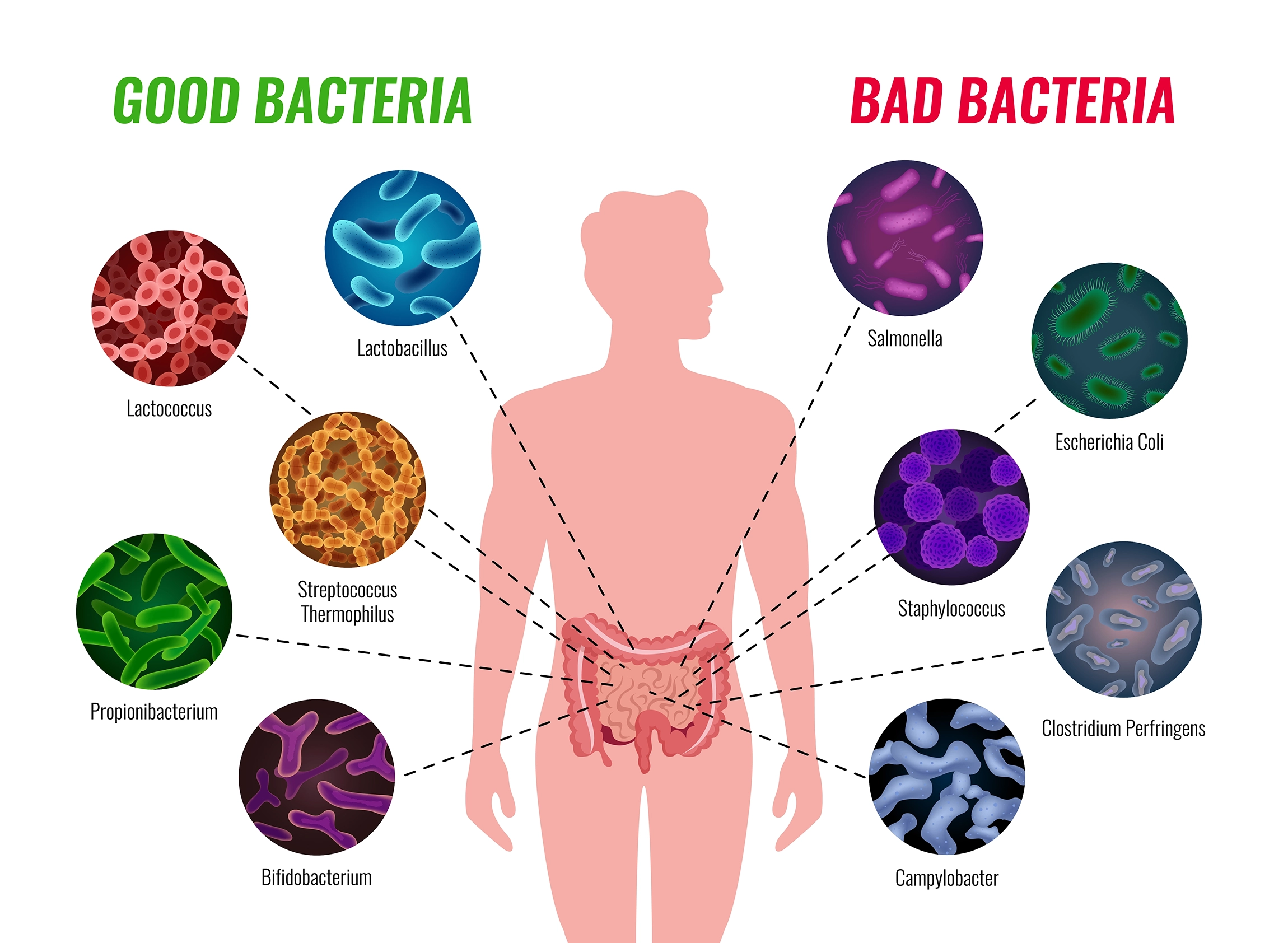
Probiotics and prebiotics play distinct but complementary roles in gut health. Probiotics replenish good bacteria, while prebiotics feed and support their growth. Combining the two in synbiotic combos can maximize their benefits, promoting a healthier gut microbiome.
If you’re unsure which one you need, consider your current gut health. Probiotics are ideal for restoring balance after disruptions, while prebiotics are essential for maintaining long-term gut health. Incorporating both into your diet can help you achieve optimal digestive wellness.

Explain the impact of artificial sweeteners on gut microbiota and metabolism. Learn how to make smarter sweetener choices.


