Hair Thinning: Causes and How to Treat It
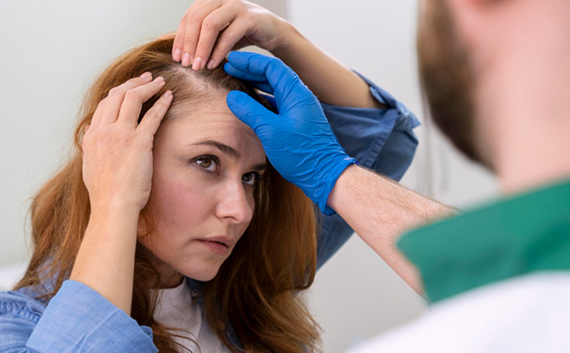
Explore hormonal imbalances, scalp health, and proven treatments for reversing hair thinning. Learn to restore your hair’s natural growth cycle.
Explore the science behind collagen, skin elasticity, and hydration. Learn how collagen supports youthful, healthy skin from within.


- theHealthSearch.com
Collagen Supports Skin Elasticity and Hydration, Helping Promote Firmer Youthful-Looking Skin.
- theHealthSearch.com

Collagen is the main protein that gives skin strength, elasticity, and structure. It acts like a glue that holds your body together, supporting the framework of your skin, bones, muscles, and joints. Collagen keeps skin smooth, joints flexible, and tissues strong. But beginning in our mid-20s, collagen levels naturally decline, and the process accelerates with age, stress, and environmental damage (Ganceviciene et al., 2012). This article explores how collagen production declines with age and what supplements, foods, and habits can help restore and support it.
Starting in our mid-20s, collagen production begins to decline, and after age 40, the drop becomes more dramatic. This natural decrease contributes to visible signs of aging, like fine lines, dryness, and sagging skin (Ganceviciene et al., 2012). However, research indicates that targeted support can be beneficial. In a double-blind, placebo-controlled study, women who took 2.5g of specific collagen peptides daily for 8 weeks experienced significantly improved skin elasticity and moisture (Proksch et al., 2014).
Here's what damages collagen over time:
We don't get collagen directly from the diet, but the body can produce it with the right nutrients. According to Enhancing Skin Anti-Aging through Healthy Lifestyle Factors, applying topical ingredients stimulates collagen production in the skin's deeper layers and improves texture (Knaggs et al., 2023). Here's how to support that natural process:
Hydrolyzed collagen peptides:Easily absorbed and clinically proven to improve skin appearance after 8 weeks, particularly in women aged 35 and above (Proksch et al., 2014).
Vitamin C and topical retinol:Vitamin C is a cofactor in collagen synthesis. Found in citrus, berries, and bell peppers, it helps your body turn amino acids into usable collagen (Ganceviciene et al., 2012).
Zinc and copper:Trace minerals required for enzymes that stabilize collagen structure. Found in shellfish, seeds, and nuts.
Proline and glycine:Key amino acids for collagen chains, found in egg whites, chicken skin, and bone broth (Ganceviciene et al., 2012).
Even with a supportive diet and supplements, collagen still breaks down if habits work against you. Wearing SPF, managing stress, and prioritizing rest help maintain collagen integrity. Habits to support collagen production include:
While no supplement or serum can completely stop the clock, science shows that targeted collagen support reduces the visible signs of aging. A combination of internal and external strategies, like collagen peptides, a nutrient-dense diet, daily SPF, and smart skincare, makes a noticeable difference in skin texture, elasticity, and glow.
Aging gracefully doesn't mean doing nothing; it means being proactive and having healthy, sustainable habits. While aging is inevitable, the science of collagen offers empowering ways to age with strength, resilience, and confidence.
Explore hormonal imbalances, scalp health, and proven treatments for reversing hair thinning. Learn to restore your hair’s natural growth cycle.


