Why Eating Veggies First May Help You Lose Weight
Studies reveals that fasting activates gene pathways that boost cellular repair, metabolic stability, and overall resilience.

Research compares curcumin and statins for their effects on LDL cholesterol, inflammation, and heart health.

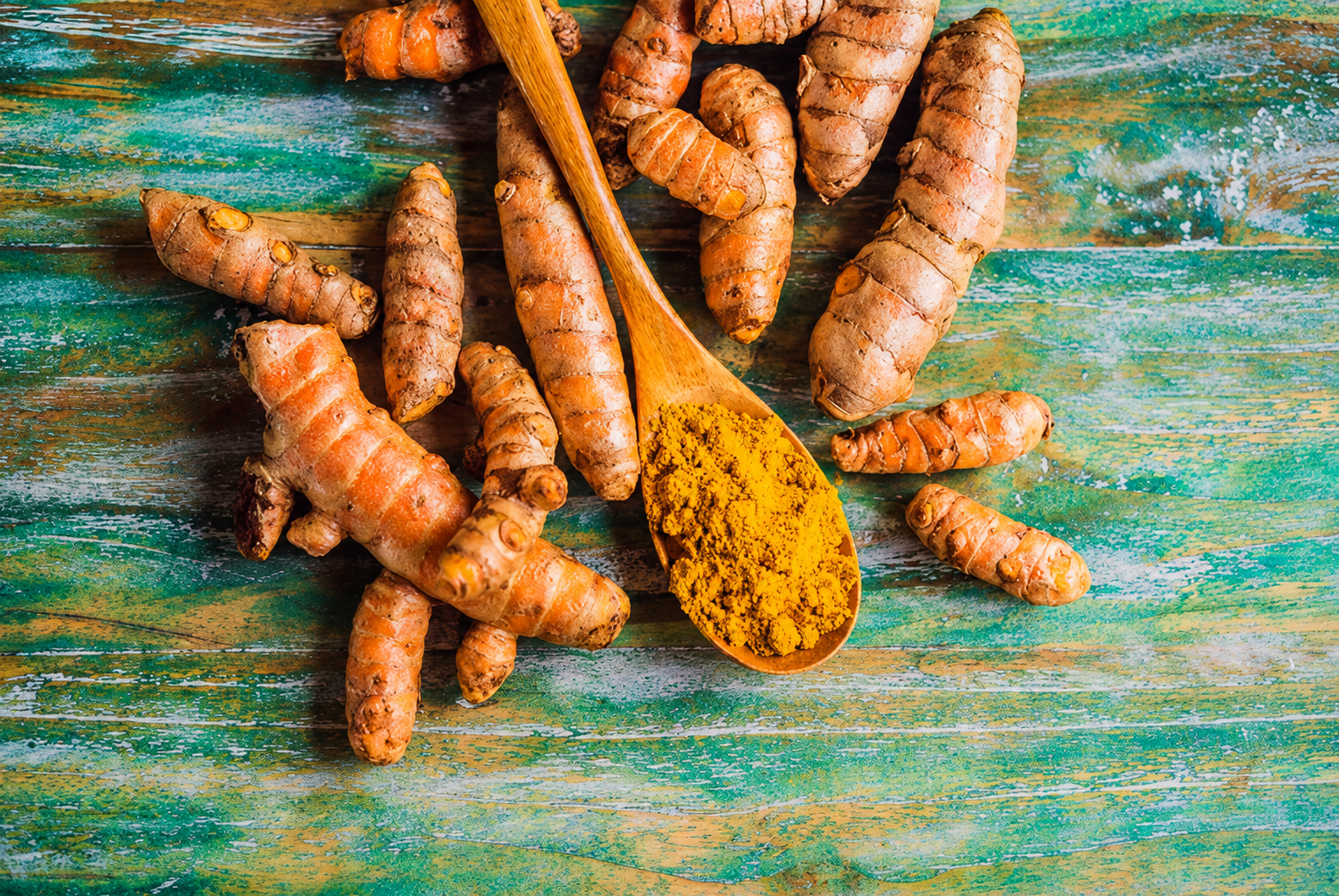


- theHealthSearch.com
Curcumin and Statins Lower Cholesterol Differently, Targeting Inflammation and Heart Health Together.
- theHealthSearch.com

Statins are the most studied cholesterol-lowering drugs in modern medicine, with strong evidence for reducing cardiovascular events in high-risk people. At the same time, curcumin the active compound in turmeric has gained attention for potential lipid and inflammation benefits, especially among people seeking non-drug options or added support.
The key is not hype versus medicine. It’s about understanding how each option works biologically, how strong the clinical evidence is, how meaningful the cholesterol-lowering effect may be, and how individual factors like cardiovascular risk and medication tolerance influence the best choice.
Statins lower LDL (“bad”) cholesterol by targeting a key biological pathway in the liver. They inhibit HMG-CoA reductase, an enzyme required for cholesterol synthesis, which reduces the liver’s internal cholesterol supply. In response, the liver increases the number of LDL receptors on its surface, pulling more LDL cholesterol out of the bloodstream. This dual effect lower production and increased clearance which is why statins reliably reduce circulating LDL levels in a wide range of patients.
Large randomized trials consistently show statins reduce heart attack and stroke risk, especially in people with established cardiovascular disease or high baseline risk. That benefit is why statins remain first-line therapy in many clinical guidelines.
However, some people experience side effects such as muscle aches, fatigue, or elevated liver enzymes. A small increase in diabetes risk has also been observed in certain populations, which is why clinicians balance benefits and risk based on the person’s overall profile.

However, some people experience side effects such as muscle aches, fatigue, or elevated liver enzymes. A small increase in diabetes risk has also been observed in certain populations, which is why clinicians balance benefits and risk based on the person’s overall profile.
Curcumin doesn’t lower cholesterol by directly blocking cholesterol synthesis like statins do. Instead, it appears to influence cardiovascular health through anti-inflammatory and antioxidant pathways, and possibly through modest effects on lipid metabolism.
In human studies, curcumin supplementation has been associated with small-to-moderate improvements in LDL cholesterol, triglycerides, and markers of inflammation in some groups—particularly those with metabolic syndrome or elevated inflammatory burden. Results vary across trials, and benefit often depends on formulation and absorption.
Strongest evidence and largest LDL reduction; proven reduction in cardiovascular events for high-risk individuals over time.
Typically smaller LDL effects; stronger relevance for inflammation-related risk factors and metabolic health support.
Statins target cholesterol production; curcumin targets inflammation and oxidative stress, which also influence cardiovascular risk.
Curcumin is more often considered supportive, especially when risk is mild to moderate or when statins are not tolerated, and is typically used as part of a broader lifestyle and nutrition-based approach rather than as a standalone intervention.
Curcumin is generally well tolerated, though it can interact with certain medications (including blood thinners) and may cause digestive upset at higher doses.
For people with high cardiovascular risk, statins remain a cornerstone because they reduce events, not just lab numbers. For lower-risk individuals who are focusing on prevention, the conversation often expands to include diet quality, weight management, exercise, and evidence-based supplements.
Curcumin may be most useful in a prevention-oriented plan where inflammation, metabolic syndrome, or mild lipid elevation are part of the picture. The smartest approach is personalized: match the tool to the risk level, and use lab tracking to verify that it’s working.

Studies reveals that fasting activates gene pathways that boost cellular repair, metabolic stability, and overall resilience.


