Explaining Probiotics & Prebiotics: What’s
Essential for You
Break down the distinct roles of probiotics and prebiotics in gut health. Discover which one is essential for your digestive system.

Learn how nutrient deficiencies arise due to gut dysfunction and what to do about it. Discover the best ways to improve absorption.


- theHealthSearch.com
Poor Gut Function Can Limit Nutrient Absorption, Reducing Energy and Long-Term Health Benefits.
- theHealthSearch.com

Your gut is responsible for breaking down food and absorbing essential nutrients, but when it’s not functioning properly, nutrient deficiencies can occur. Poor nutrient absorption can lead to fatigue, weak immunity, and even chronic health issues. A 2020 NIH study found that gut dysfunction, such as leaky gut or imbalanced microbiota, is a major cause of malabsorption (NIH, 2020).
This article will explore the signs of poor nutrient absorption, the science behind it, and the best ways to improve your gut’s ability to absorb nutrients.
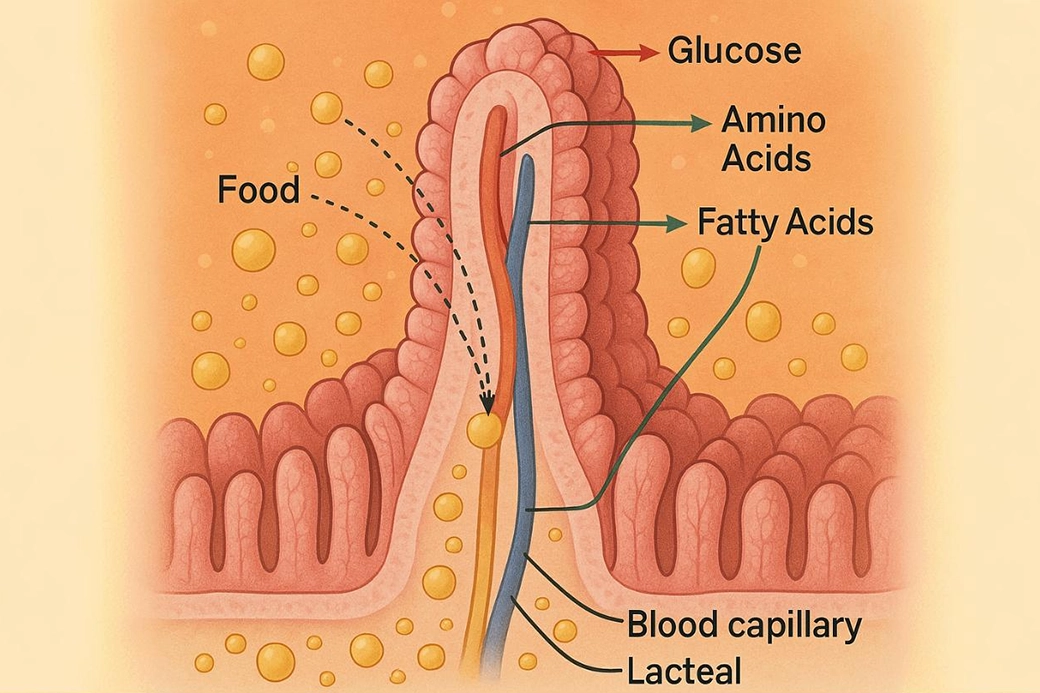
Nutrient absorption occurs primarily in the small intestine, where nutrients from food pass through the intestinal lining into the bloodstream. However, factors like inflammation, imbalanced gut bacteria, and damage to the intestinal lining can disrupt this process. A 2019 NIH study found that a healthy gut microbiome is essential for optimal nutrient absorption (NIH, 2019).
Here’s how nutrient absorption works:
Poor nutrient absorption can manifest in various ways, depending on which nutrients are lacking. A 2021 NIH study found that common signs include fatigue, brittle nails, hair loss, and frequent infections (NIH, 2021).
Here are some key signs to watch for:
Support gut bacteria balance and improve nutrient absorption.
Help break down food into absorbable nutrients.
Reduces gut inflammation, improving absorption.
Promote gut health and support nutrient absorption.
In addition to lifestyle changes, specific supplements and treatments can significantly improve nutrient absorption. For example, glutamine is an amino acid that helps repair the gut lining, while betaine HCl supplements can enhance stomach acid production for better digestion. A 2018 NIH study found that omega-3 fatty acids reduce gut inflammation and improve nutrient uptake (NIH, 2018).
Here are some additional options to consider:
Beyond supplements, lifestyle habits like stress management and regular exercise can improve nutrient absorption. A 2018 NIH study found that chronic stress can damage the gut lining, leading to malabsorption (NIH, 2018).
Here are some tips to support better absorption:
Poor nutrient absorption can lead to deficiencies that impact your energy, immunity, and overall health. Signs like fatigue, weak immunity, and digestive issues may indicate malabsorption. By incorporating probiotics, digestive enzymes, and an anti-inflammatory diet, along with targeted supplements like glutamine and omega-3s, you can improve your gut’s ability to absorb nutrients.
If you’re experiencing symptoms of poor absorption, addressing gut health is a crucial step. A healthy gut not only supports digestion but also ensures your body gets the nutrients it needs to thrive. For more tips on improving gut health, check out our article on Leaky Gut Repair: Science-Backed Solutions.
Break down the distinct roles of probiotics and prebiotics in gut health. Discover which one is essential for your digestive system.


