Leaky Gut Science-Backed Solutions
Break down the best dietary and supplement interventions for gut lining repair. Learn how to heal leaky gut naturally.

Understand the gut bacteria’s role in our inflammation and longevity. Learn how to maintain a youthful microbiome through diet and lifestyle.


- theHealthSearch.com
Gut Microbiome Balance May Support Healthier Aging, Lower Inflammation, and Better Longevity.
- theHealthSearch.com

Your gut microbiome plays a crucial role in how you age. This complex community of bacteria, fungi, and other microorganisms influences everything from digestion to immune function—and even your skin’s appearance. A 2020 NIH study found that an imbalanced gut microbiome can accelerate aging by increasing inflammation and oxidative stress (NIH, 2020).
This article will explore the basics of the gut microbiome, how it impacts aging, and the best ways to maintain a youthful microbiome through diet and lifestyle.
The gut microbiome is a diverse ecosystem of microorganisms that live in your digestive tract. These microbes help break down food, produce essential nutrients, and protect against harmful pathogens. However, as you age, the diversity of your gut microbiome declines, leading to imbalances that can trigger inflammation and accelerate aging.
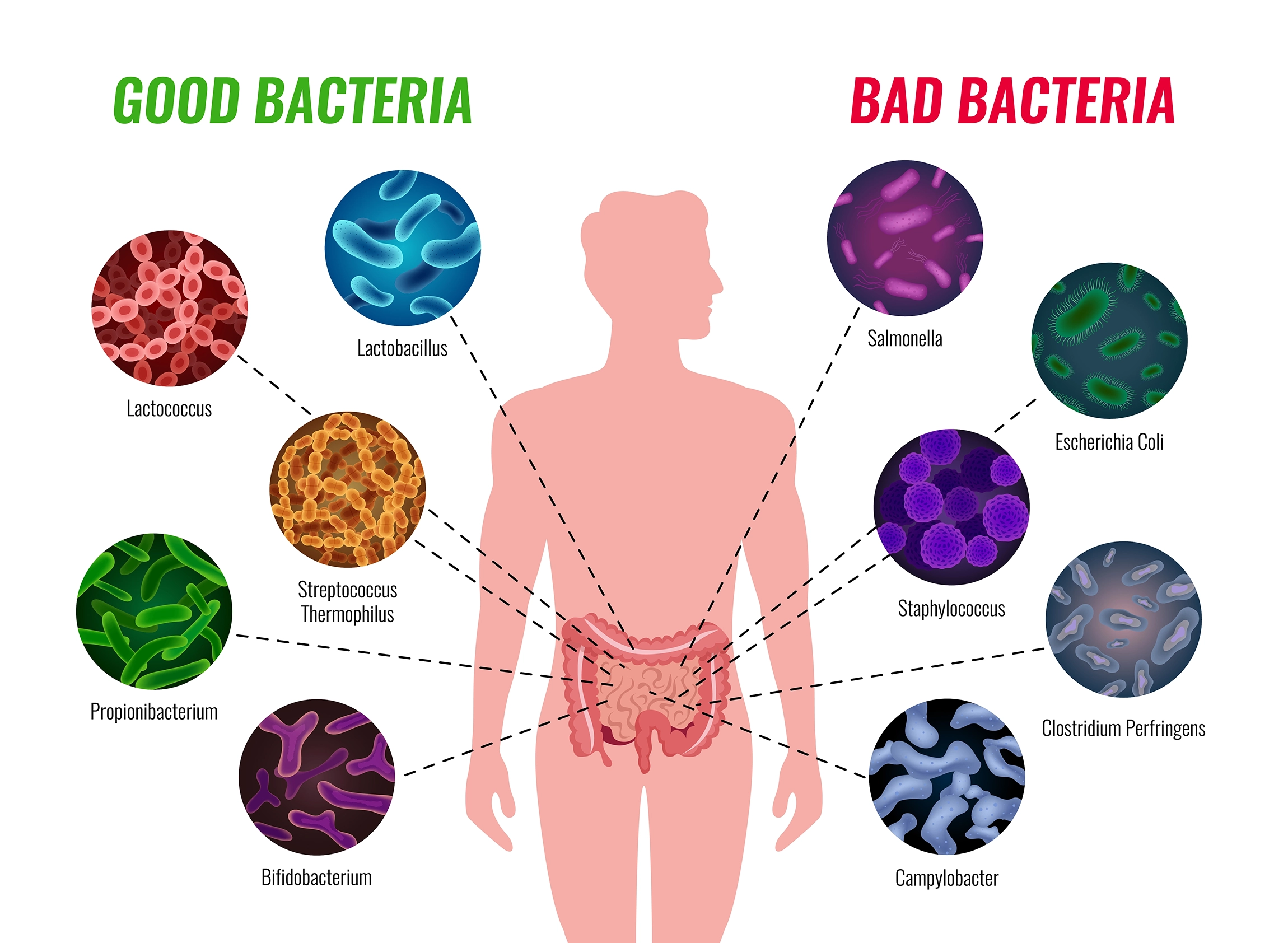
A 2019 NIH study found that a healthy gut microbiome is essential for reducing systemic inflammation, which is a key driver of age-related diseases like arthritis, heart disease, and cognitive decline (NIH, 2019). Here’s how it works:
Maintaining a youthful microbiome goes beyond diet. Regular exercise, stress management, and adequate sleep are also essential. A 2021 NIH study found that exercise increases microbial diversity, while chronic stress and poor sleep can disrupt the gut microbiome (NIH, 2021).
Yogurt, kefir, sauerkraut, and kimchi are rich in probiotics that support gut health.
Whole grains, fruits, and vegetables feed good bacteria and promote SCFA production.
Berries, green tea, and dark chocolate reduce inflammation and support microbial diversity.
Fatty fish, flaxseeds, and walnuts reduce inflammation and improve gut barrier function.
Here are some lifestyle tips to support your gut:
Your gut microbiome plays a critical role in how you age, influencing inflammation, immunity, and overall health. A diverse microbiome is essential for reducing inflammation and supporting longevity. By incorporating anti-aging foods like fermented foods, fiber-rich plants, and omega-3s, along with lifestyle habits like exercise and stress management, you can maintain a youthful microbiome and slow the aging process.
If you’re looking to stay young from the inside out, focusing on your gut health is a powerful place to start. A balanced microbiome not only supports digestion but also helps you look and feel younger.

Break down the best dietary and supplement interventions for gut lining repair. Learn how to heal leaky gut naturally.


